Buy extra-penis.eu ?
We are moving the project
extra-penis.eu .
Are you interested in purchasing the domain
extra-penis.eu ?
domain@kv-gmbh.de · 0541-91531010
Buy extra-penis.eu ?
How can one calculate P% during growth?
To calculate P% during growth, you can use the formula: P% = (Ending Value - Beginning Value) / Beginning Value * 100. First, subtract the beginning value from the ending value to find the difference. Then, divide this difference by the beginning value and multiply by 100 to get the percentage growth. This formula helps you determine the percentage increase in value over a specific period of time. **
What is the growth rate p here?
The growth rate p can be calculated using the formula p = (P1 - P0) / P0, where P1 is the final population and P0 is the initial population. This formula measures the percentage increase in population over a specific time period. By plugging in the values for P1 and P0, we can determine the growth rate p for the given population data. **

Similar search terms for P
Top-Angebote
Products related to P:




-
What is the size of p?
The size of p is not specified in the question. It could refer to a variable, a data structure, or any other entity in a given context. Without more information, it is impossible to determine the size of p. **
-
How do you calculate the growth rate p?
To calculate the growth rate 'p', you can use the formula: p = (Ending Value - Beginning Value) / Beginning Value * 100. This formula calculates the percentage increase or decrease in a value over a specific period. By subtracting the beginning value from the ending value, dividing by the beginning value, and then multiplying by 100, you can determine the growth rate 'p'. **
-
How are the growth factor q and the growth rate p related?
The growth factor q and the growth rate p are related through the formula q = 1 + p. This means that the growth factor q is equal to 1 plus the growth rate p. Essentially, the growth factor q represents the total growth rate, including the initial value, while the growth rate p represents the additional growth rate beyond the initial value. **
-
Has the size p also changed over time?
Yes, the size p has changed over time. Initially, the size p was set to 0.05, but it was later changed to 0.01 due to the need for more stringent significance levels in statistical analysis. This change reflects a shift towards more conservative and rigorous research practices in order to reduce the likelihood of false positive results. **


What is the difference between p and p?
It seems like there might be a typo in your question as it asks about the difference between "p" and "p". Since both "p" and "p" are the same letter, there is no difference between them. If you meant to ask about the difference between two different variables or concepts represented by "p" and "p", please provide more context so I can give you a more accurate answer. **
What does 'p' stand for in small p?
In statistics, 'p' typically stands for the probability of an event occurring. In the context of hypothesis testing, 'p' refers to the probability of obtaining results as extreme as the observed results, assuming that the null hypothesis is true. This p-value is used to determine the statistical significance of the results and whether the null hypothesis should be rejected. **
Top-Angebote
Products related to P:
-
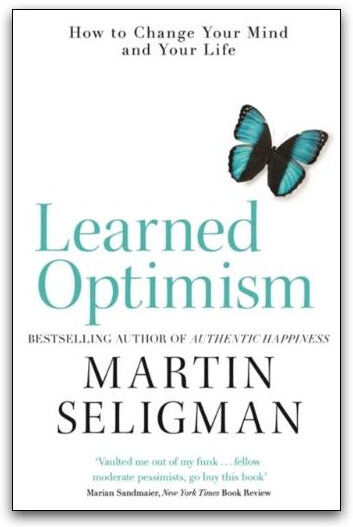
Nicholas Brealey Publishing Learned Optimism by Martin E. P. Seligman Positive Psychology, Resilience & Personal GrowthDiscover the life-changing power of positive thinking with Learned Optimism by renowned psychologist and positive psychology pioneer Martin E. P. Seligman. In this influential book, Seligman explains how optimism is not simply an inborn trait—it can be learned. Drawing on decades of psychological research, he introduces practical techniques to help readers recognize negative thought patterns, develop a more constructive outlook, and build resilience in the face of life's challenges. Whether you're looking to improve your mental wellbeing, boost confidence, manage setbacks, or achieve personal and professional success, Learned Optimism provides evidence-based strategies that can help you cultivate a healthier, more positive mindset. Why Readers Love This Book: Written by the founder of positive psychology Research-based techniques for building optimism and resilience Practical exercises to overcome negative thinking Helps improve confidence, wellbeing, and emotional strength Ideal for readers interested in psychology, self-improvement, and mental wellness A modern classic in psychology, Learned Optimism offers practical tools to help you develop a more resilient mindset and lead a happier, more fulfilling life.5,99 £*Shipping: 2,99 £Secure redirect to the provider
-
How can one calculate P% during growth?
To calculate P% during growth, you can use the formula: P% = (Ending Value - Beginning Value) / Beginning Value * 100. First, subtract the beginning value from the ending value to find the difference. Then, divide this difference by the beginning value and multiply by 100 to get the percentage growth. This formula helps you determine the percentage increase in value over a specific period of time. **
-
What is the growth rate p here?
The growth rate p can be calculated using the formula p = (P1 - P0) / P0, where P1 is the final population and P0 is the initial population. This formula measures the percentage increase in population over a specific time period. By plugging in the values for P1 and P0, we can determine the growth rate p for the given population data. **
-
What is the size of p?
The size of p is not specified in the question. It could refer to a variable, a data structure, or any other entity in a given context. Without more information, it is impossible to determine the size of p. **
-
How do you calculate the growth rate p?
To calculate the growth rate 'p', you can use the formula: p = (Ending Value - Beginning Value) / Beginning Value * 100. This formula calculates the percentage increase or decrease in a value over a specific period. By subtracting the beginning value from the ending value, dividing by the beginning value, and then multiplying by 100, you can determine the growth rate 'p'. **
Similar search terms for P
-
Arcturus H P Lovecraft 6 Books Young Adult Collection Hardback Box Set By H P LovecraftThis elegant box set of six hardback clothbound books contains of all of H.P. Lovecraft short stories collections, from his early macabre stories to the tales of the dreamlands, and his famous Cthulhu novellas. Macabre Stories The Tomb; Dagon; A Reminiscence of Dr. Samuel Johnson; Sweet Ermengarde or, The Heart of a Country Girl; Memory; Old Bugs; The Transition of Juan Romero; The Terrible Old Man; The Temple; Facts Concerning the Late Arthur Jermyn and his Family; The Street; The Picture in the House; The Tree; The Music of Erich Zann; In the Vault; The Very Old Folk; The Evil Clergyman; The Book. The Randolph Carter Tales The Dream-Quest of Unknown Kadath; The Statement of Randolph Carter; The Silver Key; Through the Gates of the Silver Key; The Unnamable. Stories of the Dreamlands Polaris; Beyond the Wall of Sleep; The White Ship; The Doom that Came to Sarnath; The Cats of Ulthar; Celephais; From Beyond; Nyarlathotep; Ex Oblivione; The Quest of Iranon; The Moon-Bog; The Outsider; The Other Gods; Hypnos; What the Moon Brings; Azathoth; The Descendant; Cool Air; Pickman s Model; The Strange High House in the Mist; The Colour Out of Space; The Dreams in the Witch House; The Case of Charles Dexter Ward. At the Mountains of Madness and Other Stories At the Mountains of Madness; The Shadow Over Innsmouth; The Thing on the Doorstep. The Call of Cthulhu and Other Stories The Nameless City; Herbert West Reanimator; The Hound; The Lurking Fear; The Rats in the Walls; The Festival; The Shunned House; The Horror at Red Hook; He; The Call of Cthulhu; The History of Necronomicon. The Dunwich Horror and Other Stories The Dunwich Horror; The Whisperer in Darkness; The Shadow Out of Time; The Haunter of the Dark. First written for the pulp magazines of the 1920s and '30s, Lovecraft's writing still resonates today and will leave readers both terrified and astounded by the breadth of his imagination. This is the ideal gift for the classic Science-Fiction lover.22,99 £*Shipping: 2,99 £Secure redirect to the provider
-
How are the growth factor q and the growth rate p related?
The growth factor q and the growth rate p are related through the formula q = 1 + p. This means that the growth factor q is equal to 1 plus the growth rate p. Essentially, the growth factor q represents the total growth rate, including the initial value, while the growth rate p represents the additional growth rate beyond the initial value. **
-
Has the size p also changed over time?
Yes, the size p has changed over time. Initially, the size p was set to 0.05, but it was later changed to 0.01 due to the need for more stringent significance levels in statistical analysis. This change reflects a shift towards more conservative and rigorous research practices in order to reduce the likelihood of false positive results. **
-
What is the difference between p and p?
It seems like there might be a typo in your question as it asks about the difference between "p" and "p". Since both "p" and "p" are the same letter, there is no difference between them. If you meant to ask about the difference between two different variables or concepts represented by "p" and "p", please provide more context so I can give you a more accurate answer. **
-
What does 'p' stand for in small p?
In statistics, 'p' typically stands for the probability of an event occurring. In the context of hypothesis testing, 'p' refers to the probability of obtaining results as extreme as the observed results, assuming that the null hypothesis is true. This p-value is used to determine the statistical significance of the results and whether the null hypothesis should be rejected. **
* All prices are inclusive of VAT and, if applicable, plus shipping costs. The offer information is based on the details provided by the respective shop and is updated through automated processes. Real-time updates do not occur, so deviations can occur in individual cases. ** Note: Parts of this content were created by AI.