Buy extra-penis.eu ?
We are moving the project
extra-penis.eu .
Are you interested in purchasing the domain
extra-penis.eu ?
domain@kv-gmbh.de · 0541-91531010
Buy extra-penis.eu ?
How is cloning applied?
Cloning is applied in various fields such as agriculture, medicine, and research. In agriculture, cloning is used to produce genetically identical plants or animals with desirable traits, such as disease resistance or high yield. In medicine, cloning is used to create stem cells for potential therapeutic purposes, or to produce animal models for studying diseases. In research, cloning is used to study genetic and developmental processes, as well as to preserve endangered species. Overall, cloning has a wide range of applications with potential benefits in different fields. **
What does cloning mean?
Cloning is the process of creating an identical copy of an organism or a specific gene or DNA sequence. This can be done through various techniques, such as somatic cell nuclear transfer or gene cloning. Cloning can be used for a variety of purposes, including scientific research, medical treatments, and agricultural practices. However, it also raises ethical and moral concerns, particularly when it comes to cloning humans. **

Similar search terms for Cloning
Top-Angebote
Products related to Cloning:
-
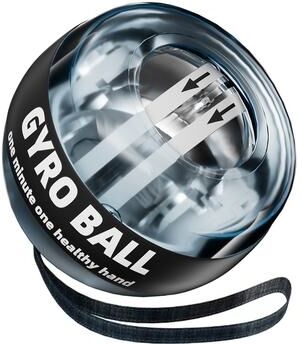
Smart Shopping Spot Self Starting Wrist Gyro Ball Wrist & Forearm Strengthening Trainer For Muscles And Grip Enhancement Self Starting Wrist Gyro Ball Wrist & Forearm Strengthening Trainer For Muscles And Grip EnhancementTransform your strength and endurance with the wrist strengthener that goes beyond traditional exercise methods. The SelfStarting Wrist Gyro Ball is designed for those who seek to improve wrist and forearm power, grip strength, and muscle endurance....39,97 $*Shipping: 0,00 $Secure redirect to the provider
-
World Menagerie Niwot Radiant Vintage Cashmere Rug – Pleasure for Every Room Radiant Rectangle 240cm x 320cmStep into a world of refined luxury with the Radiant Cashmere Rug, a distinguished variant in the collection. Showcasing a deep, moody base elegantly contrasted by intricate design and a cool-toned border, this rug brings an aristocratic charm to your space. Its regal Persian-inspired design, enhanced by exquisite detailing and harmonious tones, creates a captivating statement in any sophisticated interior. Woven from the finest-grade cashmere fibers, the Radiant variant offers the same unparalleled softness and comfort underfoot, while introducing a bold and timeless palette that enhances both minimalist and richly styled rooms. It is more than just a rug—it’s a piece of art that transforms your space into a serene sanctuary. World Menagerie Rug Size: Rectangle 240cm x 320cm109,99 £*Shipping: 0,00 £Secure redirect to the provider
-
World Menagerie Niwot Radiant Vintage Cashmere Rug – Pleasure for Every Room Radiant Rectangle 160cm x 230cmStep into a world of refined luxury with the Radiant Cashmere Rug, a distinguished variant in the collection. Showcasing a deep, moody base elegantly contrasted by intricate design and a cool-toned border, this rug brings an aristocratic charm to your space. Its regal Persian-inspired design, enhanced by exquisite detailing and harmonious tones, creates a captivating statement in any sophisticated interior. Woven from the finest-grade cashmere fibers, the Radiant variant offers the same unparalleled softness and comfort underfoot, while introducing a bold and timeless palette that enhances both minimalist and richly styled rooms. It is more than just a rug—it’s a piece of art that transforms your space into a serene sanctuary. World Menagerie Rug Size: Rectangle 160cm x 230cm61,99 £*Shipping: 0,00 £Secure redirect to the provider



-
Is cloning identity fraud?
Cloning is not the same as identity fraud. Cloning refers to the creation of a genetically identical copy of an organism, while identity fraud involves using someone else's personal information for fraudulent purposes. While cloning may raise ethical and moral concerns, it is not the same as the criminal act of identity fraud. However, the potential misuse of cloned genetic material could potentially lead to identity fraud if used to create false identities. **
-
How does cloning work?
Cloning is the process of creating a genetically identical copy of an organism. In the case of reproductive cloning, the nucleus of a donor cell is inserted into an egg cell that has had its nucleus removed. The egg cell is then stimulated to divide and develop into an embryo, which is then implanted into a surrogate mother. In the case of therapeutic cloning, the cloned embryo is used to harvest stem cells for medical research and potential treatment of diseases. The process of cloning has ethical and scientific implications and continues to be a topic of debate and research. **
-
What do you think about human cloning and the associated therapeutic cloning?
I believe that human cloning raises ethical concerns regarding individuality, identity, and the potential exploitation of cloned individuals. However, therapeutic cloning, which involves creating cloned embryos for medical research and potential treatments, holds promise for advancing regenerative medicine and treating various diseases. It is important to carefully consider the ethical implications and regulations surrounding these practices to ensure that they are used responsibly and ethically. **
-
What is therapeutic cloning and what is the difference to reproductive cloning?
Therapeutic cloning, also known as somatic cell nuclear transfer, is a process in which a cell from a patient is used to create an embryo that is genetically identical to the patient. The purpose of therapeutic cloning is to harvest stem cells from the embryo, which can then be used for medical treatments and research. Reproductive cloning, on the other hand, is the process of creating a genetically identical copy of an organism. This is typically done by transferring the nucleus of a donor cell into an egg cell that has had its nucleus removed, and then implanting the resulting embryo into a surrogate mother. The goal of reproductive cloning is to produce a living organism with the same genetic makeup as the donor. The main difference between therapeutic cloning and reproductive cloning is the intended outcome: therapeutic cloning is focused on producing stem cells for medical purposes, while reproductive cloning is focused on creating a living organism. **

How can cloning be manipulated?
Cloning can be manipulated through various techniques such as somatic cell nuclear transfer, where the nucleus of a somatic cell is transferred into an enucleated egg cell to create a clone. Additionally, gene editing technologies like CRISPR can be used to modify the genetic material of the cloned organism. Cloning can also be manipulated through the use of different culture conditions and growth factors to enhance the development and viability of cloned embryos. Overall, cloning can be manipulated through a combination of genetic, cellular, and environmental techniques to achieve specific desired outcomes. **
Why is cloning morally questionable?
Cloning is morally questionable for several reasons. Firstly, it raises ethical concerns about the potential exploitation of cloned individuals and the potential for creating life solely for the purpose of benefiting others. Additionally, cloning raises questions about the uniqueness and individuality of each person, as well as the potential psychological and emotional impact on the cloned individual. Furthermore, there are concerns about the potential for unintended consequences and the long-term effects of cloning on the natural diversity of the human population. Overall, the moral implications of cloning raise significant ethical concerns that need to be carefully considered. **
Top-Angebote
Products related to Cloning:
-
Inspired Deals Chin Fill Light LED Live Streaming Light For Jawline And Neck Enhancement Chin Fill Light LED Live Streaming Light For Jawline And Neck EnhancementLook your best on every stream, video call, or content shoot with this Chin Fill Light designed to create a smoother, more flattering appearance. Perfect for creators, influencers, beauty enthusiasts, and remote professionals, it delivers soft, even...44,97 $*Shipping: 0,00 $Secure redirect to the provider
-
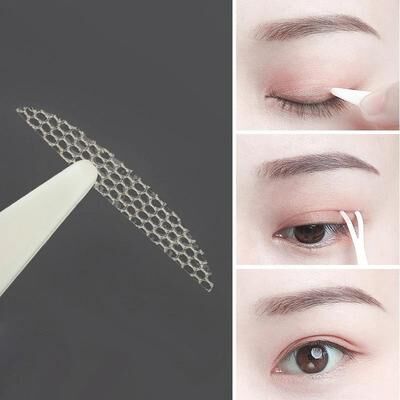
Uplifted Goods Invisible Double Eyelid Lifting Tape For Natural Eye Enhancement bEnhance your natural beauty with these invisible double eyelid lifting patches designed to instantly create a defined crease and lifted look. Made with gentle, skinfriendly adhesive, these patches are ultrathin and blend seamlessly with all skin...34,97 $*Shipping: 0,00 $Secure redirect to the provider
-
Smart Shopping Spot Self Starting Wrist Gyro Ball Wrist & Forearm Strengthening Trainer For Muscles And Grip Enhancement Self Starting Wrist Gyro Ball Wrist & Forearm Strengthening Trainer For Muscles And Grip EnhancementTransform your strength and endurance with the wrist strengthener that goes beyond traditional exercise methods. The SelfStarting Wrist Gyro Ball is designed for those who seek to improve wrist and forearm power, grip strength, and muscle endurance....39,97 $*Shipping: 0,00 $Secure redirect to the provider
-
How is cloning applied?
Cloning is applied in various fields such as agriculture, medicine, and research. In agriculture, cloning is used to produce genetically identical plants or animals with desirable traits, such as disease resistance or high yield. In medicine, cloning is used to create stem cells for potential therapeutic purposes, or to produce animal models for studying diseases. In research, cloning is used to study genetic and developmental processes, as well as to preserve endangered species. Overall, cloning has a wide range of applications with potential benefits in different fields. **
-
What does cloning mean?
Cloning is the process of creating an identical copy of an organism or a specific gene or DNA sequence. This can be done through various techniques, such as somatic cell nuclear transfer or gene cloning. Cloning can be used for a variety of purposes, including scientific research, medical treatments, and agricultural practices. However, it also raises ethical and moral concerns, particularly when it comes to cloning humans. **
-
Is cloning identity fraud?
Cloning is not the same as identity fraud. Cloning refers to the creation of a genetically identical copy of an organism, while identity fraud involves using someone else's personal information for fraudulent purposes. While cloning may raise ethical and moral concerns, it is not the same as the criminal act of identity fraud. However, the potential misuse of cloned genetic material could potentially lead to identity fraud if used to create false identities. **
-
How does cloning work?
Cloning is the process of creating a genetically identical copy of an organism. In the case of reproductive cloning, the nucleus of a donor cell is inserted into an egg cell that has had its nucleus removed. The egg cell is then stimulated to divide and develop into an embryo, which is then implanted into a surrogate mother. In the case of therapeutic cloning, the cloned embryo is used to harvest stem cells for medical research and potential treatment of diseases. The process of cloning has ethical and scientific implications and continues to be a topic of debate and research. **
Similar search terms for Cloning
-
World Menagerie Niwot Radiant Vintage Cashmere Rug – Pleasure for Every Room Radiant Rectangle 240cm x 320cmStep into a world of refined luxury with the Radiant Cashmere Rug, a distinguished variant in the collection. Showcasing a deep, moody base elegantly contrasted by intricate design and a cool-toned border, this rug brings an aristocratic charm to your space. Its regal Persian-inspired design, enhanced by exquisite detailing and harmonious tones, creates a captivating statement in any sophisticated interior. Woven from the finest-grade cashmere fibers, the Radiant variant offers the same unparalleled softness and comfort underfoot, while introducing a bold and timeless palette that enhances both minimalist and richly styled rooms. It is more than just a rug—it’s a piece of art that transforms your space into a serene sanctuary. World Menagerie Rug Size: Rectangle 240cm x 320cm109,99 £*Shipping: 0,00 £Secure redirect to the provider
-
World Menagerie Niwot Radiant Vintage Cashmere Rug – Pleasure for Every Room Radiant Rectangle 160cm x 230cmStep into a world of refined luxury with the Radiant Cashmere Rug, a distinguished variant in the collection. Showcasing a deep, moody base elegantly contrasted by intricate design and a cool-toned border, this rug brings an aristocratic charm to your space. Its regal Persian-inspired design, enhanced by exquisite detailing and harmonious tones, creates a captivating statement in any sophisticated interior. Woven from the finest-grade cashmere fibers, the Radiant variant offers the same unparalleled softness and comfort underfoot, while introducing a bold and timeless palette that enhances both minimalist and richly styled rooms. It is more than just a rug—it’s a piece of art that transforms your space into a serene sanctuary. World Menagerie Rug Size: Rectangle 160cm x 230cm61,99 £*Shipping: 0,00 £Secure redirect to the provider
-
World Menagerie Niwot Radiant Vintage Cashmere Rug – Pleasure for Every Room Radiant Rectangle 200cm x 290cmStep into a world of refined luxury with the Radiant Cashmere Rug, a distinguished variant in the collection. Showcasing a deep, moody base elegantly contrasted by intricate design and a cool-toned border, this rug brings an aristocratic charm to your space. Its regal Persian-inspired design, enhanced by exquisite detailing and harmonious tones, creates a captivating statement in any sophisticated interior. Woven from the finest-grade cashmere fibers, the Radiant variant offers the same unparalleled softness and comfort underfoot, while introducing a bold and timeless palette that enhances both minimalist and richly styled rooms. It is more than just a rug—it’s a piece of art that transforms your space into a serene sanctuary. World Menagerie Rug Size: Rectangle 200cm x 290cm89,99 £*Shipping: 0,00 £Secure redirect to the provider
-
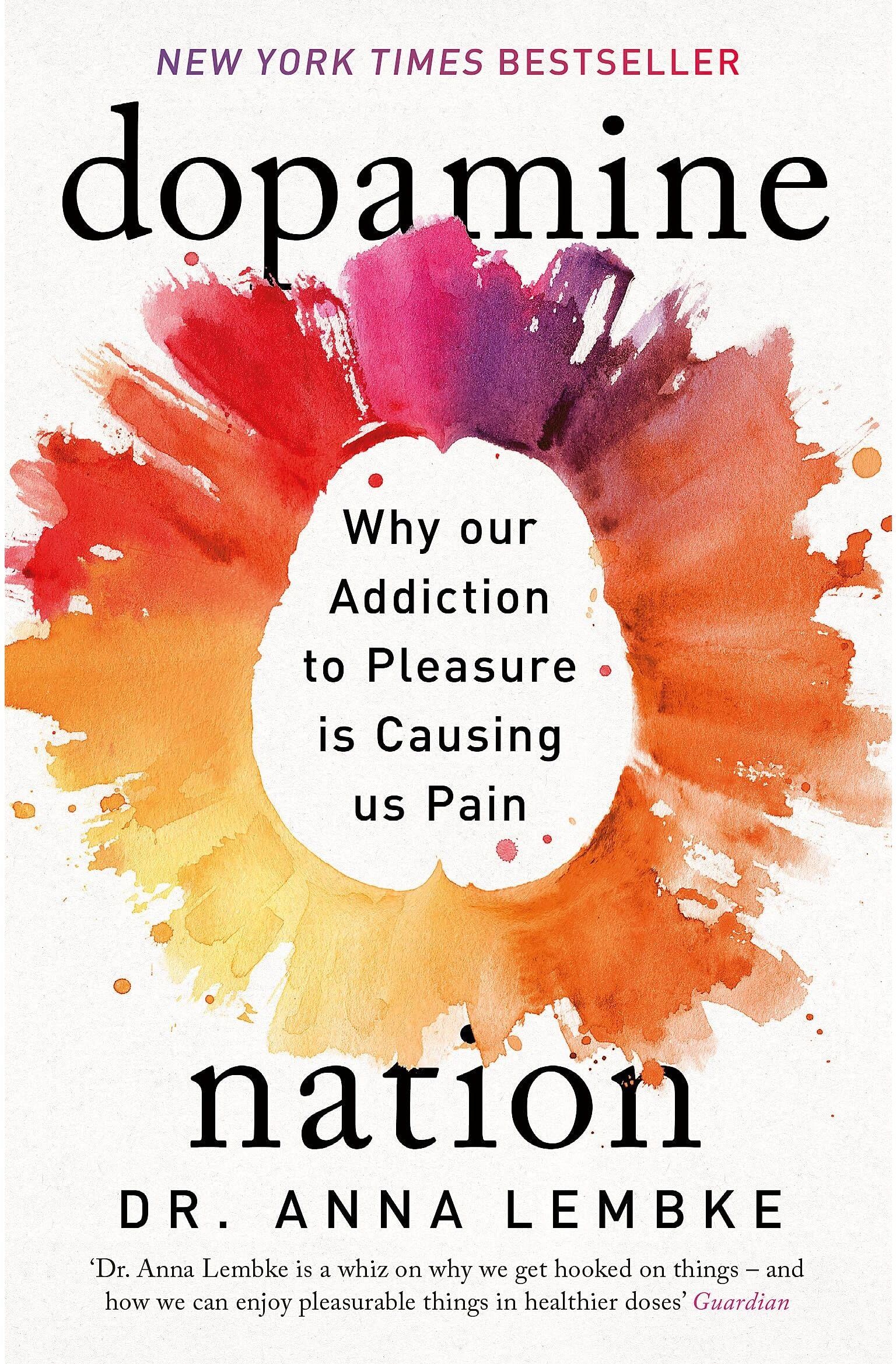
Headline Dopamine Nation: Why our Addiction to Pleasure is Causing us Pain by Dr Anna LembkeWe are a wired generation. In these fast-paced times we are constantly bombarded by high-reward, high-dopamine stimuli. From texting to social media, food to drugs, gambling to shopping, we have become addicted to fleeting and distracting pleasures that are making us sick. In Dopamine Nation, psychiatrist and bestselling author Dr Anna Lembke reveals why our relentless pursuit of pleasure leads to pain and what we can do about it. Bringing together cutting-edge neuroscience with the gripping real life experiences from her clinical practice, Lembke explores how contentment and connectedness are essential tools in keeping dopamine in check. This is an essential book for anyone wanting to find a balance for a happier life.5,80 £*Shipping: 2,99 £Secure redirect to the provider
-
What do you think about human cloning and the associated therapeutic cloning?
I believe that human cloning raises ethical concerns regarding individuality, identity, and the potential exploitation of cloned individuals. However, therapeutic cloning, which involves creating cloned embryos for medical research and potential treatments, holds promise for advancing regenerative medicine and treating various diseases. It is important to carefully consider the ethical implications and regulations surrounding these practices to ensure that they are used responsibly and ethically. **
-
What is therapeutic cloning and what is the difference to reproductive cloning?
Therapeutic cloning, also known as somatic cell nuclear transfer, is a process in which a cell from a patient is used to create an embryo that is genetically identical to the patient. The purpose of therapeutic cloning is to harvest stem cells from the embryo, which can then be used for medical treatments and research. Reproductive cloning, on the other hand, is the process of creating a genetically identical copy of an organism. This is typically done by transferring the nucleus of a donor cell into an egg cell that has had its nucleus removed, and then implanting the resulting embryo into a surrogate mother. The goal of reproductive cloning is to produce a living organism with the same genetic makeup as the donor. The main difference between therapeutic cloning and reproductive cloning is the intended outcome: therapeutic cloning is focused on producing stem cells for medical purposes, while reproductive cloning is focused on creating a living organism. **
-
How can cloning be manipulated?
Cloning can be manipulated through various techniques such as somatic cell nuclear transfer, where the nucleus of a somatic cell is transferred into an enucleated egg cell to create a clone. Additionally, gene editing technologies like CRISPR can be used to modify the genetic material of the cloned organism. Cloning can also be manipulated through the use of different culture conditions and growth factors to enhance the development and viability of cloned embryos. Overall, cloning can be manipulated through a combination of genetic, cellular, and environmental techniques to achieve specific desired outcomes. **
-
Why is cloning morally questionable?
Cloning is morally questionable for several reasons. Firstly, it raises ethical concerns about the potential exploitation of cloned individuals and the potential for creating life solely for the purpose of benefiting others. Additionally, cloning raises questions about the uniqueness and individuality of each person, as well as the potential psychological and emotional impact on the cloned individual. Furthermore, there are concerns about the potential for unintended consequences and the long-term effects of cloning on the natural diversity of the human population. Overall, the moral implications of cloning raise significant ethical concerns that need to be carefully considered. **
* All prices are inclusive of VAT and, if applicable, plus shipping costs. The offer information is based on the details provided by the respective shop and is updated through automated processes. Real-time updates do not occur, so deviations can occur in individual cases. ** Note: Parts of this content were created by AI.