Buy extra-penis.eu ?
We are moving the project
extra-penis.eu .
Are you interested in purchasing the domain
extra-penis.eu ?
domain@kv-gmbh.de · 0541-91531010
Buy extra-penis.eu ?
How can one recognize compressed data sets or a compressed file?
Compressed data sets or files can be recognized by their file extensions, such as .zip, .rar, .7z, .gzip, .tar, etc. These extensions indicate that the file has been compressed using a specific compression algorithm. Additionally, when viewing the file properties, the file size will be significantly smaller than the original size of the data, indicating that it has been compressed. Finally, attempting to open the file without decompressing it will result in an error or unreadable content, further indicating that the file is compressed. **
Can a file that has already been compressed be compressed again?
Yes, a file that has already been compressed can be compressed again, but the amount of compression achieved will likely be minimal. Each time a file is compressed, it loses some of its original data, so there is less redundant information to compress further. Additionally, the compression algorithms are designed to work best on uncompressed data, so attempting to compress an already compressed file may not result in significant reduction in file size. **
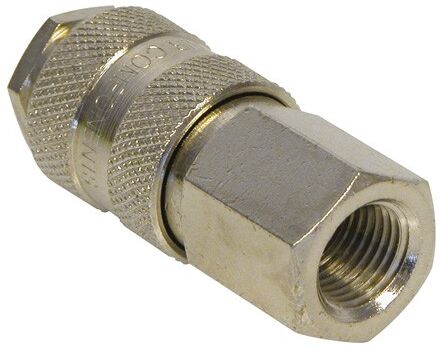

Similar search terms for CARPOINT-0684830-Connector-compressed
Top-Angebote
Products related to CARPOINT-0684830-Connector-compressed:
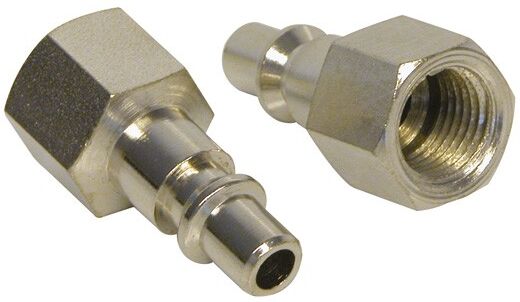


-
Can water be compressed?
Water is considered to be incompressible under normal conditions. This means that it is very difficult to reduce the volume of water by applying pressure. However, at extremely high pressures, water can be compressed slightly. This compression is minimal compared to gases or other substances, making water effectively incompressible for most practical purposes. **
-
How can the video size be compressed as much as possible?
Video size can be compressed as much as possible by using video compression techniques such as reducing the resolution, lowering the frame rate, and using advanced video codecs like H.264 or H.265. Additionally, removing unnecessary audio tracks, subtitles, and extra features can help reduce the file size. Furthermore, using specialized software or online tools to compress the video file can also help in reducing its size without compromising too much on the quality. **
-
Are WAV files compressed losslessly?
No, WAV files are not compressed losslessly. WAV files are typically uncompressed, meaning they retain all the original audio data without any loss of quality. This results in larger file sizes compared to compressed audio formats like MP3. **
-
How can sound be compressed?
Sound can be compressed using various techniques such as lossless and lossy compression. Lossless compression reduces the file size without losing any data by identifying and eliminating redundant information. Lossy compression, on the other hand, reduces the file size by removing some of the audio data, resulting in a slight loss of quality. Both techniques help to reduce the amount of data needed to represent the sound, making it easier to store and transmit. Common file formats for compressed sound include MP3, AAC, and FLAC. **
Are WAV files losslessly compressed?
No, WAV files are not losslessly compressed. WAV files are typically uncompressed, meaning they contain all the original audio data without any loss of quality. This results in larger file sizes compared to losslessly compressed formats like FLAC or ALAC. While WAV files are not compressed, they are widely used for high-quality audio due to their lossless nature. **
How can water be compressed?
Water can be compressed by applying pressure to it. When pressure is applied to water, the molecules are forced closer together, reducing the volume of the water. This increase in density allows the water to be compressed. However, water is not easily compressible compared to gases or other fluids, as its molecules are already tightly packed together. **
Top-Angebote
Products related to CARPOINT-0684830-Connector-compressed:
-
How can one recognize compressed data sets or a compressed file?
Compressed data sets or files can be recognized by their file extensions, such as .zip, .rar, .7z, .gzip, .tar, etc. These extensions indicate that the file has been compressed using a specific compression algorithm. Additionally, when viewing the file properties, the file size will be significantly smaller than the original size of the data, indicating that it has been compressed. Finally, attempting to open the file without decompressing it will result in an error or unreadable content, further indicating that the file is compressed. **
-
Can a file that has already been compressed be compressed again?
Yes, a file that has already been compressed can be compressed again, but the amount of compression achieved will likely be minimal. Each time a file is compressed, it loses some of its original data, so there is less redundant information to compress further. Additionally, the compression algorithms are designed to work best on uncompressed data, so attempting to compress an already compressed file may not result in significant reduction in file size. **
-
Can water be compressed?
Water is considered to be incompressible under normal conditions. This means that it is very difficult to reduce the volume of water by applying pressure. However, at extremely high pressures, water can be compressed slightly. This compression is minimal compared to gases or other substances, making water effectively incompressible for most practical purposes. **
-
How can the video size be compressed as much as possible?
Video size can be compressed as much as possible by using video compression techniques such as reducing the resolution, lowering the frame rate, and using advanced video codecs like H.264 or H.265. Additionally, removing unnecessary audio tracks, subtitles, and extra features can help reduce the file size. Furthermore, using specialized software or online tools to compress the video file can also help in reducing its size without compromising too much on the quality. **
Similar search terms for CARPOINT-0684830-Connector-compressed
-
Are WAV files compressed losslessly?
No, WAV files are not compressed losslessly. WAV files are typically uncompressed, meaning they retain all the original audio data without any loss of quality. This results in larger file sizes compared to compressed audio formats like MP3. **
-
How can sound be compressed?
Sound can be compressed using various techniques such as lossless and lossy compression. Lossless compression reduces the file size without losing any data by identifying and eliminating redundant information. Lossy compression, on the other hand, reduces the file size by removing some of the audio data, resulting in a slight loss of quality. Both techniques help to reduce the amount of data needed to represent the sound, making it easier to store and transmit. Common file formats for compressed sound include MP3, AAC, and FLAC. **
-
Are WAV files losslessly compressed?
No, WAV files are not losslessly compressed. WAV files are typically uncompressed, meaning they contain all the original audio data without any loss of quality. This results in larger file sizes compared to losslessly compressed formats like FLAC or ALAC. While WAV files are not compressed, they are widely used for high-quality audio due to their lossless nature. **
-
How can water be compressed?
Water can be compressed by applying pressure to it. When pressure is applied to water, the molecules are forced closer together, reducing the volume of the water. This increase in density allows the water to be compressed. However, water is not easily compressible compared to gases or other fluids, as its molecules are already tightly packed together. **
* All prices are inclusive of VAT and, if applicable, plus shipping costs. The offer information is based on the details provided by the respective shop and is updated through automated processes. Real-time updates do not occur, so deviations can occur in individual cases. ** Note: Parts of this content were created by AI.