Buy extra-penis.eu ?
We are moving the project
extra-penis.eu .
Are you interested in purchasing the domain
extra-penis.eu ?
domain@kv-gmbh.de · 0541-91531010
Buy extra-penis.eu ?
How is the partitive formed?
The partitive is formed in French by using the preposition "de" followed by the definite article "le," "la," or "les." This combination contracts to form "du," "de la," or "des" before a singular or plural noun, respectively. For example, "some bread" is "du pain" and "some apples" is "des pommes." The partitive is used to indicate an unspecified quantity or portion of a mass noun. **
What is the French partitive article?
The French partitive article is used to indicate an unspecified quantity of a noun that cannot be counted. It is formed by combining the preposition "de" with the definite article corresponding to the noun's gender and number. For example, "du" is used with masculine singular nouns, "de la" with feminine singular nouns, and "des" with plural nouns. The partitive article is used in French to express concepts like some, any, or a part of something. **


Similar search terms for Partitive
Top-Angebote
Products related to Partitive:
-
LondonTown Gel Color UV Nail Gel 12mL Guilty PleasureA skin-care product. It a professional gel nail polish designed to elevate manicure with a dreamy color. Its creamy texture glides on smoothly, providing a high-shine finish that lasts for weeks. Long-lasting wear of over 3 weeks. High pigmentation for excellent coverage. Easy application with a fan brush.11,65 £*Shipping: 5,34 £Secure redirect to the provider
-
Proerecta Klasic Male Enhancement Supplement 12 caps.A skin-care product. Klasic is an adult male supplement for immediate use. A weak erection can result from common causes such as fatigue and overwork, stress, fear of failure, or insecurity triggered by having a new sexual partner. Erection difficulties also affect healthy, sexually active men. Klasik takes all these negative and disturbing influences into account.12,88 £*Shipping: 4,22 £Secure redirect to the provider
-
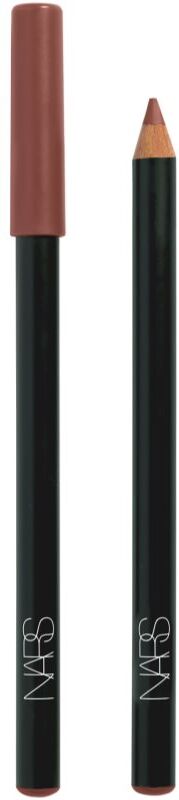
NARS Lip Liner lip liner shade 717 ULTIMATE PLEASURE 1.1 gNARS Lip Liner, 1.1 g, Lip Pencils for Women, Achieve absolutely perfect lips with the NARS Lip Liner lip pencil. It allows you to line your lips with a rich, full-coverage colour that lasts for hours without budging. It doesn’t transfer, smudge or fade, while also extending the wear of your lipstick and preventing it from transferring and bleeding outside your natural lip line. It also gives your lips a perfect, clearly defined shape and fuller appearance at the same time. Achieving flawlessly lined lips for enhanced natural beauty has never been easier. Characteristics: pleasant creamy texture long-lasting hydrates lips does not smudge outlines and highlights the lips perfectly adheres to skin perfectly prevents lipstick from bleeding How to use: Outline the lips with the pencil, then apply lipstick or lip gloss. Keep the pencil sharp by sharpening it regularly.20,40 £*Shipping: 3,99 £Secure redirect to the provider



-
What are partitive articles in the French language?
Partitive articles in French are used to indicate an unspecified quantity of a noun. They are used when referring to a portion or some of a mass noun, such as food or liquid. The partitive articles in French are "du" (for masculine nouns), "de la" (for feminine nouns), and "de l'" (for nouns starting with a vowel or silent "h"). These articles are essential for expressing the concept of some or any in French. **
-
What is the rule for the partitive article?
The rule for the partitive article in French is to use "de" followed by the definite article (le, la, les) to indicate an unspecified quantity or some of a mass noun. For example, "du" is used for masculine singular nouns, "de la" for feminine singular nouns, and "des" for plural nouns. The partitive article is used when referring to an unknown or unspecified quantity of something. **
-
How do you form the genitive partitive in Latin?
In Latin, the genitive partitive is formed by using the genitive case of the noun followed by the word "partis" or "partis" (depending on the gender of the noun) to indicate a part of the whole. For example, if the noun is "puella" (girl), the genitive partitive would be "puellae partis" to indicate "part of the girl." This construction is used to express the idea of "some of" or "a part of" something. **
-
What are partitive articles and quantity increases in French?
Partitive articles in French are used to indicate an unspecified quantity of a noun. They are used with uncountable nouns or when referring to a portion of something. Quantity increases in French involve using words like "plus de" (more), "beaucoup de" (a lot of), or "trop de" (too much) to indicate an increase in the quantity of something. These expressions are used to specify a larger amount of a noun compared to using just the partitive article. **

When do you use the partitive article in French?
The partitive article in French is used to indicate an unspecified quantity of a mass noun. It is used when referring to a part of a whole, or an unspecified amount of something. For example, "du" is used for masculine nouns, "de la" for feminine nouns, and "de l'" for nouns starting with a vowel or silent "h". It is important to use the partitive article when talking about food, drinks, or other uncountable nouns in French. **
Can you please help me with the partitive article?
The partitive article is used in French to indicate an unspecified quantity of something. It is often used with uncountable nouns to express "some" or "any" in English. The partitive article changes depending on the gender and number of the noun it precedes. For example, "du" is used before masculine singular nouns, "de la" before feminine singular nouns, and "des" before plural nouns. It is important to use the correct partitive article to indicate the appropriate quantity in French. **
Top-Angebote
Products related to Partitive:
-
LondonTown Lakur Nail Polish 12mL Guilty PleasureA skin-care product. Gel-like wear and shine with a chip-resistant formula. Pro-Contour Brush for smooth, streak-free application. Infused with Florium Complex - a blend of botanical extracts and vitamins. Rapeseed Flower Oil: Strengthens and hydrates. Cucumber Extract: Rich in nutrients, boosts hydration.10,11 £*Shipping: 5,34 £Secure redirect to the provider
-
Well Woven Viva Pleasure Abstract Modern Area RugBright, rainbow-colored fun plush rug Velvety soft, 0.4 inch air twist polypropylene pile Power loomed in Turkey Extremely durable and super easy to clean Stain resistant and won't fade in the sunlight over time Vacuum regularly with non-beater bar…44,54 $*Shipping: 0,00 $Secure redirect to the provider
-
LondonTown Gel Color UV Nail Gel 12mL Guilty PleasureA skin-care product. It a professional gel nail polish designed to elevate manicure with a dreamy color. Its creamy texture glides on smoothly, providing a high-shine finish that lasts for weeks. Long-lasting wear of over 3 weeks. High pigmentation for excellent coverage. Easy application with a fan brush.11,65 £*Shipping: 5,34 £Secure redirect to the provider
-
Proerecta Klasic Male Enhancement Supplement 12 caps.A skin-care product. Klasic is an adult male supplement for immediate use. A weak erection can result from common causes such as fatigue and overwork, stress, fear of failure, or insecurity triggered by having a new sexual partner. Erection difficulties also affect healthy, sexually active men. Klasik takes all these negative and disturbing influences into account.12,88 £*Shipping: 4,22 £Secure redirect to the provider
-
How is the partitive formed?
The partitive is formed in French by using the preposition "de" followed by the definite article "le," "la," or "les." This combination contracts to form "du," "de la," or "des" before a singular or plural noun, respectively. For example, "some bread" is "du pain" and "some apples" is "des pommes." The partitive is used to indicate an unspecified quantity or portion of a mass noun. **
-
What is the French partitive article?
The French partitive article is used to indicate an unspecified quantity of a noun that cannot be counted. It is formed by combining the preposition "de" with the definite article corresponding to the noun's gender and number. For example, "du" is used with masculine singular nouns, "de la" with feminine singular nouns, and "des" with plural nouns. The partitive article is used in French to express concepts like some, any, or a part of something. **
-
What are partitive articles in the French language?
Partitive articles in French are used to indicate an unspecified quantity of a noun. They are used when referring to a portion or some of a mass noun, such as food or liquid. The partitive articles in French are "du" (for masculine nouns), "de la" (for feminine nouns), and "de l'" (for nouns starting with a vowel or silent "h"). These articles are essential for expressing the concept of some or any in French. **
-
What is the rule for the partitive article?
The rule for the partitive article in French is to use "de" followed by the definite article (le, la, les) to indicate an unspecified quantity or some of a mass noun. For example, "du" is used for masculine singular nouns, "de la" for feminine singular nouns, and "des" for plural nouns. The partitive article is used when referring to an unknown or unspecified quantity of something. **
Similar search terms for Partitive
-
NARS Lip Liner lip liner shade 717 ULTIMATE PLEASURE 1.1 gNARS Lip Liner, 1.1 g, Lip Pencils for Women, Achieve absolutely perfect lips with the NARS Lip Liner lip pencil. It allows you to line your lips with a rich, full-coverage colour that lasts for hours without budging. It doesn’t transfer, smudge or fade, while also extending the wear of your lipstick and preventing it from transferring and bleeding outside your natural lip line. It also gives your lips a perfect, clearly defined shape and fuller appearance at the same time. Achieving flawlessly lined lips for enhanced natural beauty has never been easier. Characteristics: pleasant creamy texture long-lasting hydrates lips does not smudge outlines and highlights the lips perfectly adheres to skin perfectly prevents lipstick from bleeding How to use: Outline the lips with the pencil, then apply lipstick or lip gloss. Keep the pencil sharp by sharpening it regularly.20,40 £*Shipping: 3,99 £Secure redirect to the provider
-
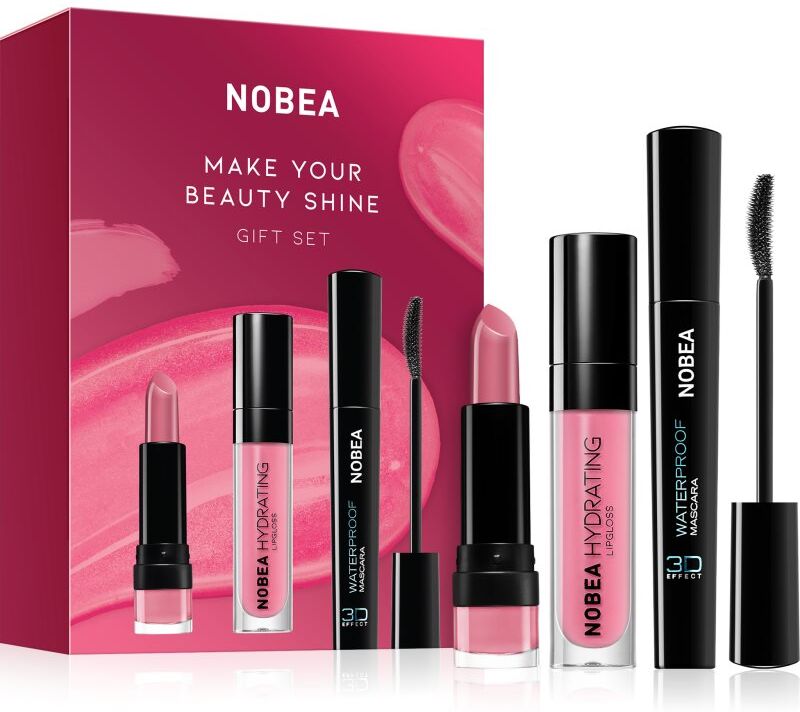
NOBEA Beauty Pleasure NOBEA Make Your Beauty Shine Gift Set gift set WNOBEA Beauty Pleasure NOBEA Make Your Beauty Shine Gift Set, 3 pc, Cosmetic Sets for Women, Everything you need for perfect makeup in one place. The NOBEABeauty PleasureNOBEA Make Your Beauty Shine Gift Set beauty gift set contains not one but several beauty products that will help create or enrich your regular makeup routine. A gift set full of makeup products will delight you or your loved ones as a gift. The set contains: NOBEA Day-to-Day Hydrating Lipstick moisturising lipstick 4.5 g NOBEA Day-to-Day Hydrating Lipgloss hydrating lip gloss 7 ml NOBEA Festive 3D Waterproof Mascara waterproof volumising mascara 8 ml Characteristics: thickens eyelashes significantly extends the length of eyelashes ensures full volume in one coat intense colour moisturises and softens lips long-lasting effect gives lips a rich colour long-lasting moisturises and cares for your lips makes your lips feel hydrated doesn’t dry out the lips13,80 £*Shipping: 3,99 £Secure redirect to the provider
-
Inspired Deals Chin Fill Light LED Live Streaming Light For Jawline And Neck Enhancement Chin Fill Light LED Live Streaming Light For Jawline And Neck EnhancementLook your best on every stream, video call, or content shoot with this Chin Fill Light designed to create a smoother, more flattering appearance. Perfect for creators, influencers, beauty enthusiasts, and remote professionals, it delivers soft, even...44,97 $*Shipping: 0,00 $Secure redirect to the provider
-
How do you form the genitive partitive in Latin?
In Latin, the genitive partitive is formed by using the genitive case of the noun followed by the word "partis" or "partis" (depending on the gender of the noun) to indicate a part of the whole. For example, if the noun is "puella" (girl), the genitive partitive would be "puellae partis" to indicate "part of the girl." This construction is used to express the idea of "some of" or "a part of" something. **
-
What are partitive articles and quantity increases in French?
Partitive articles in French are used to indicate an unspecified quantity of a noun. They are used with uncountable nouns or when referring to a portion of something. Quantity increases in French involve using words like "plus de" (more), "beaucoup de" (a lot of), or "trop de" (too much) to indicate an increase in the quantity of something. These expressions are used to specify a larger amount of a noun compared to using just the partitive article. **
-
When do you use the partitive article in French?
The partitive article in French is used to indicate an unspecified quantity of a mass noun. It is used when referring to a part of a whole, or an unspecified amount of something. For example, "du" is used for masculine nouns, "de la" for feminine nouns, and "de l'" for nouns starting with a vowel or silent "h". It is important to use the partitive article when talking about food, drinks, or other uncountable nouns in French. **
-
Can you please help me with the partitive article?
The partitive article is used in French to indicate an unspecified quantity of something. It is often used with uncountable nouns to express "some" or "any" in English. The partitive article changes depending on the gender and number of the noun it precedes. For example, "du" is used before masculine singular nouns, "de la" before feminine singular nouns, and "des" before plural nouns. It is important to use the correct partitive article to indicate the appropriate quantity in French. **
* All prices are inclusive of VAT and, if applicable, plus shipping costs. The offer information is based on the details provided by the respective shop and is updated through automated processes. Real-time updates do not occur, so deviations can occur in individual cases. ** Note: Parts of this content were created by AI.