Buy extra-penis.eu ?
We are moving the project
extra-penis.eu .
Are you interested in purchasing the domain
extra-penis.eu ?
domain@kv-gmbh.de · 0541-91531010
Buy extra-penis.eu ?
How are colors used in unit testing?
In unit testing, colors are often used to visually represent the status of the tests. For example, green is commonly used to indicate that a test has passed, while red is used to indicate that a test has failed. This color coding makes it easy for developers to quickly identify the status of their tests and take appropriate action. Additionally, colors can be used to highlight specific sections of test results or to differentiate between different types of tests, making it easier to interpret the test output. **
Is app testing or product testing legitimate?
Yes, both app testing and product testing are legitimate practices. App testing involves evaluating the functionality, usability, and performance of a mobile application to ensure it meets quality standards before it is released to the public. Product testing, on the other hand, involves assessing the quality, safety, and effectiveness of physical products before they are brought to market. Both types of testing are essential for ensuring that consumers have access to reliable and high-quality products and applications. **

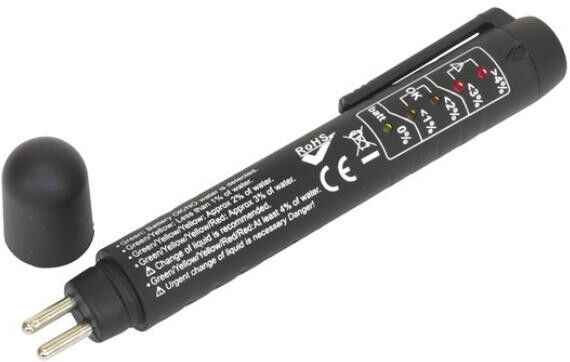
Similar search terms for SEALEY-TST22-Testing-Unit
Top-Angebote
Products related to SEALEY-TST22-Testing-Unit:
-
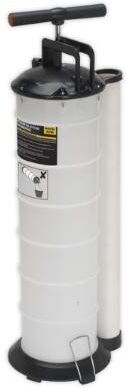
SEALEY TP204 Oil Extraction UnitHose Length [mm]: Ø6.7 x 700, Ø7 x 400; Capacity [litre]: 8; Capillary Tube Length [mm]: 240; Colour: white; Hose Length [m]: 1.5; article number of recommended accessories: VS552, VS555; Suitable For (substance/mix/gas/chemicals): Oil, Petrol, Diesel, Water, hydraulic fluid; Adapter enclosed: 240mm FSA149,99 £*Shipping: 1,99 £Secure redirect to the provider


-
Is testing carcinogenic?
Testing itself is not carcinogenic. However, certain substances used in testing, such as certain chemicals or radiation, can be carcinogenic. It is important to ensure that proper safety measures are in place when conducting any testing to minimize the risk of exposure to carcinogenic substances. Additionally, regular monitoring and assessment of potential risks should be conducted to protect the health and safety of those involved in testing processes. **
-
What is the difference between material testing and component testing?
Material testing involves evaluating the physical and mechanical properties of a material, such as its strength, hardness, and elasticity, to determine its suitability for a specific application. Component testing, on the other hand, involves testing a specific part or component of a larger system to ensure it meets performance and safety requirements. While material testing focuses on the properties of the material itself, component testing focuses on the performance and reliability of a specific part within a larger system. Both types of testing are important for ensuring the quality and safety of products and structures. **
-
What is the unit for font size?
The unit for font size is typically measured in points (pt) or pixels (px). Points are a unit of measurement commonly used in print design, with 1 point equal to 1/72 of an inch. Pixels, on the other hand, are a unit of measurement used in digital design, with each pixel representing a single point on a screen. Both points and pixels are commonly used to specify the size of text in documents, websites, and other design projects. **
-
Is penis enlargement harmful?
Penis enlargement procedures can be harmful and carry risks such as infection, scarring, and loss of sensation. Surgical procedures like penile implants or injections can also lead to complications such as erectile dysfunction or deformity. Non-surgical methods like pumps or stretching devices can cause tissue damage if not used properly. It is important to consult with a healthcare professional before considering any form of penis enlargement to understand the potential risks and benefits. **


How about animal testing?
Animal testing is a controversial topic with valid arguments on both sides. Proponents argue that it is necessary for medical and scientific research, as it can lead to important discoveries and advancements in medicine. However, opponents argue that it is unethical to subject animals to pain and suffering for human benefit, and that there are alternative methods available. Ultimately, it is important to carefully consider the ethical implications and weigh the potential benefits against the harm caused to animals. **
What is the difference between size and unit?
Size refers to the magnitude or extent of something, such as the physical dimensions or quantity of an object. It can be measured in terms of length, width, height, volume, or quantity. On the other hand, a unit is a specific quantity used as a standard of measurement. It is a fixed amount that is used as a reference for measuring size, such as inches, meters, liters, or pieces. In summary, size is the actual measurement of an object, while a unit is the standard used to measure that size. **
Top-Angebote
Products related to SEALEY-TST22-Testing-Unit:
-
SEALEY VS0274 Testing Unit, brake fluidGauge: with LED display; Number of LEDs: 5; Required appliance battery: AAA (Micro), Included in the delivery; Number of device batteries required: 1; Housing Type: Synthetic Material Housing; Voltage [V]: 1.2; DOT specification: DOT 3, DOT 4, DOT 5.1; Registration Type: 22x10.00-9 TL 39J NHS48,99 £*Shipping: 8,45 £Secure redirect to the provider
-
SEALEY TP204 Oil Extraction UnitHose Length [mm]: Ø6.7 x 700, Ø7 x 400; Capacity [litre]: 8; Capillary Tube Length [mm]: 240; Colour: white; Hose Length [m]: 1.5; article number of recommended accessories: VS552, VS555; Suitable For (substance/mix/gas/chemicals): Oil, Petrol, Diesel, Water, hydraulic fluid; Adapter enclosed: 240mm FSA149,99 £*Shipping: 1,99 £Secure redirect to the provider
-
How are colors used in unit testing?
In unit testing, colors are often used to visually represent the status of the tests. For example, green is commonly used to indicate that a test has passed, while red is used to indicate that a test has failed. This color coding makes it easy for developers to quickly identify the status of their tests and take appropriate action. Additionally, colors can be used to highlight specific sections of test results or to differentiate between different types of tests, making it easier to interpret the test output. **
-
Is app testing or product testing legitimate?
Yes, both app testing and product testing are legitimate practices. App testing involves evaluating the functionality, usability, and performance of a mobile application to ensure it meets quality standards before it is released to the public. Product testing, on the other hand, involves assessing the quality, safety, and effectiveness of physical products before they are brought to market. Both types of testing are essential for ensuring that consumers have access to reliable and high-quality products and applications. **
-
Is testing carcinogenic?
Testing itself is not carcinogenic. However, certain substances used in testing, such as certain chemicals or radiation, can be carcinogenic. It is important to ensure that proper safety measures are in place when conducting any testing to minimize the risk of exposure to carcinogenic substances. Additionally, regular monitoring and assessment of potential risks should be conducted to protect the health and safety of those involved in testing processes. **
-
What is the difference between material testing and component testing?
Material testing involves evaluating the physical and mechanical properties of a material, such as its strength, hardness, and elasticity, to determine its suitability for a specific application. Component testing, on the other hand, involves testing a specific part or component of a larger system to ensure it meets performance and safety requirements. While material testing focuses on the properties of the material itself, component testing focuses on the performance and reliability of a specific part within a larger system. Both types of testing are important for ensuring the quality and safety of products and structures. **
Similar search terms for SEALEY-TST22-Testing-Unit
-
What is the unit for font size?
The unit for font size is typically measured in points (pt) or pixels (px). Points are a unit of measurement commonly used in print design, with 1 point equal to 1/72 of an inch. Pixels, on the other hand, are a unit of measurement used in digital design, with each pixel representing a single point on a screen. Both points and pixels are commonly used to specify the size of text in documents, websites, and other design projects. **
-
Is penis enlargement harmful?
Penis enlargement procedures can be harmful and carry risks such as infection, scarring, and loss of sensation. Surgical procedures like penile implants or injections can also lead to complications such as erectile dysfunction or deformity. Non-surgical methods like pumps or stretching devices can cause tissue damage if not used properly. It is important to consult with a healthcare professional before considering any form of penis enlargement to understand the potential risks and benefits. **
-
How about animal testing?
Animal testing is a controversial topic with valid arguments on both sides. Proponents argue that it is necessary for medical and scientific research, as it can lead to important discoveries and advancements in medicine. However, opponents argue that it is unethical to subject animals to pain and suffering for human benefit, and that there are alternative methods available. Ultimately, it is important to carefully consider the ethical implications and weigh the potential benefits against the harm caused to animals. **
-
What is the difference between size and unit?
Size refers to the magnitude or extent of something, such as the physical dimensions or quantity of an object. It can be measured in terms of length, width, height, volume, or quantity. On the other hand, a unit is a specific quantity used as a standard of measurement. It is a fixed amount that is used as a reference for measuring size, such as inches, meters, liters, or pieces. In summary, size is the actual measurement of an object, while a unit is the standard used to measure that size. **
* All prices are inclusive of VAT and, if applicable, plus shipping costs. The offer information is based on the details provided by the respective shop and is updated through automated processes. Real-time updates do not occur, so deviations can occur in individual cases. ** Note: Parts of this content were created by AI.